Effective Waterproofing Water Tanks: Protecting Your Investment

Water tanks are essential infrastructure in construction projects, especially in regions like Bahrain where water conservation and storage are critical. Ensuring these tanks remain watertight is vital to prevent leaks, contamination, and structural damage. I will guide you through effective waterproofing water tanks techniques that safeguard your investment and maintain high-quality standards.
Understanding the Importance of Waterproofing Water Tanks
Waterproofing water tanks is not just about preventing leaks. It also protects the tank’s structural integrity and ensures the stored water remains clean and safe. Without proper waterproofing, water tanks can develop cracks, corrosion, and seepage issues that lead to costly repairs and downtime.
In Bahrain’s climate, where temperature fluctuations and saline conditions are common, waterproofing becomes even more critical. A well-executed waterproofing system extends the lifespan of the tank and reduces maintenance costs. It also aligns with the goal of delivering reliable construction solutions that exceed expectations.
Key Techniques for Waterproofing Water Tanks
There are several proven methods to waterproof water tanks effectively. Each method has its advantages depending on the tank material, location, and usage. Here are the most common techniques:
Cementitious Waterproofing: This method uses a mixture of cement and waterproofing additives applied directly to the tank’s surface. It is ideal for concrete tanks and provides a durable, seamless barrier against water penetration.
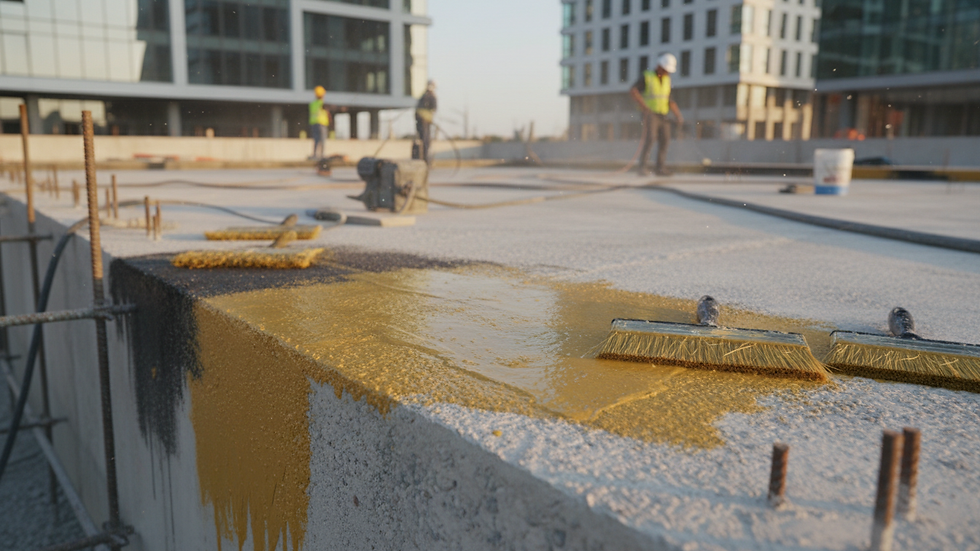
Liquid Waterproofing Membranes: These are applied as a liquid coating that cures to form a flexible, rubber-like membrane. They adapt well to structural movements and are suitable for both new and existing tanks.
Polyurethane Coatings: Known for their excellent adhesion and elasticity, polyurethane coatings offer long-lasting protection. They resist chemicals and UV exposure, making them suitable for exposed tanks.
Bituminous Coating: This traditional method involves applying bitumen-based materials that create a waterproof layer. It is cost-effective but may require additional protection against UV damage.
Waterproofing Sheets and Membranes: These are pre-formed sheets made from materials like PVC or HDPE. They are laid over the tank surface and sealed at joints to prevent water ingress.
Each technique requires proper surface preparation and skilled application to ensure effectiveness.
What are the three methods of waterproofing?
When discussing waterproofing water tanks, three primary methods stand out due to their reliability and widespread use:
Integral Waterproofing
This method involves adding waterproofing compounds directly into the concrete mix. It reduces the concrete’s permeability and prevents water from penetrating the tank walls. Integral waterproofing is cost-effective and works well for new constructions.
Surface Waterproofing
Surface waterproofing applies protective coatings or membranes on the tank’s interior or exterior surfaces. This method is versatile and can be used for both new and existing tanks. It includes cementitious coatings, liquid membranes, and bituminous layers.
Drainage Waterproofing
This technique focuses on managing water around the tank to reduce hydrostatic pressure. It involves installing drainage systems and protective layers that divert water away from the tank structure.
Understanding these methods helps in selecting the right approach based on project requirements and environmental conditions.
Best Practices for Applying Waterproofing Water Tanks Solutions
Applying waterproofing solutions requires attention to detail and adherence to best practices. Here are some actionable recommendations:
Thorough Surface Cleaning: Remove dust, grease, and loose particles before application. A clean surface ensures better adhesion.
Repair Cracks and Defects: Fill any cracks or holes with suitable repair mortar to create a smooth, uniform surface.
Follow Manufacturer Guidelines: Use the recommended thickness and curing times for coatings and membranes.
Apply Multiple Layers: For liquid membranes and cementitious coatings, apply at least two layers for optimal protection.
Ensure Proper Curing: Allow sufficient curing time to achieve full waterproofing performance.
Inspect Regularly: Conduct periodic inspections to detect early signs of wear or damage.
By following these steps, you can maximise the effectiveness of your waterproofing system and protect your water tanks for years.

Choosing the Right Waterproofing Solution for Your Project
Selecting the appropriate waterproofing method depends on several factors:
Tank Material: Concrete tanks benefit from cementitious or integral waterproofing, while steel tanks may require polyurethane coatings.
Exposure Conditions: Tanks exposed to sunlight and chemicals need UV-resistant and chemical-resistant coatings.
Budget Constraints: Some methods like bituminous coatings are more affordable but may require more maintenance.
Project Timeline: Liquid membranes cure faster than cementitious coatings, which may influence scheduling.
Longevity Requirements: For long-term durability, polyurethane and liquid membranes offer superior performance.
Consulting with waterproofing experts ensures you choose a solution that balances cost, durability, and performance.
Enhancing Durability and Cost Efficiency with Waterproofing
Effective waterproofing water tanks solutions not only protect the structure but also save costs in the long run. Preventing leaks and structural damage reduces repair expenses and downtime. Additionally, maintaining water quality avoids contamination-related issues.
Investing in high-quality materials and professional application pays off by extending the tank’s service life. It also supports sustainable construction practices by reducing resource wastage.
GoldenCare Group aims to be the top choice for insulation and waterproofing in Bahrain by delivering these reliable solutions. Their commitment to quality standards ensures that every project meets client expectations and withstands Bahrain’s challenging environment.
Final Thoughts on Waterproofing Water Tanks
Waterproofing water tanks is a critical step in construction that demands careful planning and execution. By understanding the available methods and following best practices, you can protect your tanks from damage and ensure their longevity.
Remember to assess your project’s specific needs and environmental factors before selecting a waterproofing solution. Regular maintenance and inspections further enhance durability.
For those seeking trusted water tank waterproofing solutions, partnering with experienced professionals guarantees quality results that safeguard your investment and support sustainable construction goals.


Comments