Enhance Comfort with Internal Insulation Benefits
Improving building comfort and energy efficiency is a priority for many construction projects. One effective way to achieve this is through internal insulation benefits that directly impact thermal performance and reduce energy costs. Installing insulation inside walls can transform a property, making it warmer in winter and cooler in summer. This approach also helps protect the building structure and enhances overall living conditions.
Internal insulation offers a practical solution, especially when external modifications are limited or not feasible. It fits well with renovation projects and can be tailored to different building types. In this post, I will share insights on how internal insulation benefits your projects, the best materials to use, and practical tips for installation.
Understanding Internal Insulation Benefits
Internal insulation improves thermal comfort by reducing heat loss through walls. This leads to lower heating and cooling demands, which translates into cost savings on energy bills. Additionally, it helps maintain a consistent indoor temperature, reducing cold spots and drafts.
Beyond energy efficiency, internal insulation also contributes to soundproofing. It dampens noise transmission between rooms and from outside, creating a quieter environment. This is particularly valuable in urban areas or busy commercial zones.
Another key benefit is moisture control. Properly installed insulation can prevent condensation on walls, reducing the risk of mould and dampness. This protects the building fabric and promotes healthier indoor air quality.
For construction companies in Bahrain, where climate conditions can be challenging, these benefits are crucial. Internal insulation supports sustainable building practices and aligns with modern energy regulations.

How Internal Insulation Supports Cost Efficiency
Investing in internal insulation pays off by lowering operational costs. Heating and cooling systems work less hard, extending their lifespan and reducing maintenance expenses. This efficiency also means smaller HVAC units can be installed, saving upfront costs.
The installation process itself is often quicker and less disruptive than external insulation. It does not require scaffolding or external cladding, which can be expensive and time-consuming. This makes internal insulation a cost-effective choice for retrofitting existing buildings.
Moreover, internal insulation can increase property value. Energy-efficient buildings attract tenants and buyers who prioritise comfort and lower utility bills. This advantage is significant in competitive real estate markets.
To maximise cost efficiency, select insulation materials with high thermal resistance (R-value) and durability. Proper sealing and vapour barriers are essential to prevent heat loss and moisture issues.
What kind of insulation is best for interior walls?
Choosing the right insulation material depends on the building’s structure, budget, and performance goals. Common options include:
Rigid Foam Boards - These provide excellent thermal resistance and are easy to install. They are suitable for walls with limited cavity space.
Mineral Wool - Known for its fire resistance and soundproofing qualities, mineral wool is a versatile choice for interior walls.
Spray Foam - This expands to fill gaps and cracks, offering superior air sealing and insulation. It is ideal for irregular wall shapes.
Fiberglass Batts - A cost-effective option, fiberglass is widely used but requires careful installation to avoid gaps.
Natural Insulation - Materials like sheep’s wool or cellulose offer eco-friendly alternatives with good thermal and acoustic properties.
Each material has pros and cons. For example, spray foam provides excellent insulation but can be more expensive. Mineral wool is fire-resistant but may require protective barriers. Assess the specific needs of your project before deciding.
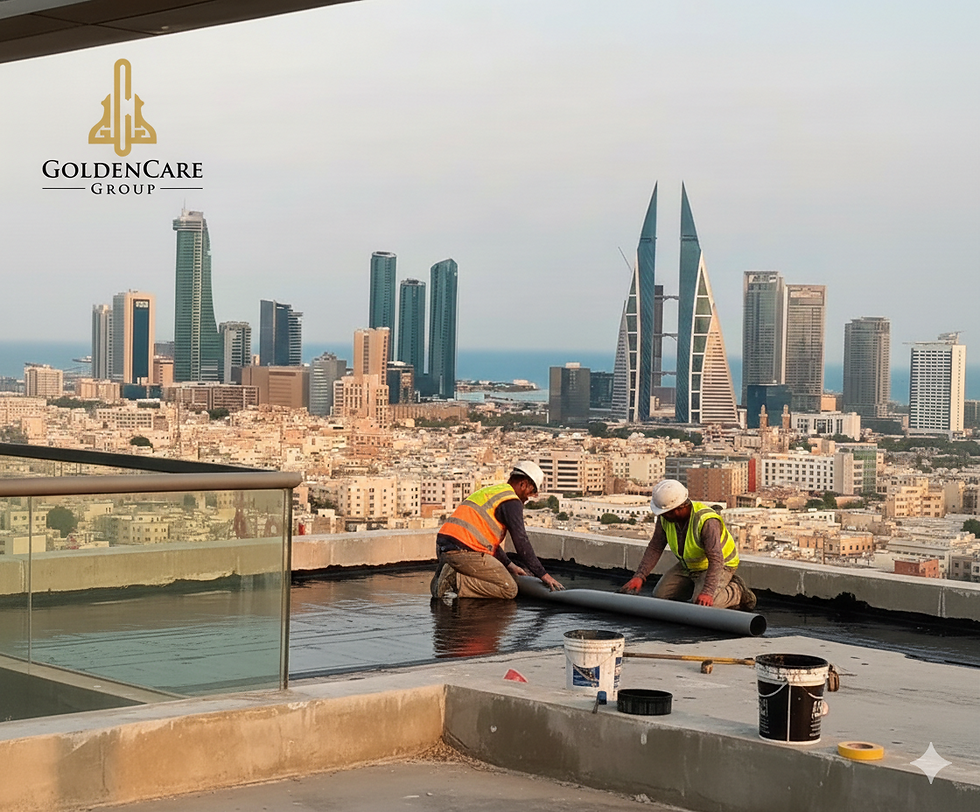
Practical Tips for Installing Internal Wall Insulation
Successful installation depends on careful planning and execution. Here are some practical recommendations:
Assess Wall Condition: Inspect walls for dampness, cracks, or structural issues before installation. Address these problems to avoid future damage.
Use Vapour Barriers: Install vapour control layers to prevent moisture from penetrating the insulation and causing mould.
Seal Gaps and Cracks: Ensure airtightness by sealing around windows, doors, and electrical outlets.
Maintain Wall Thickness: Internal insulation reduces room size slightly. Plan accordingly to minimise impact on usable space.
Hire Experienced Installers: Skilled professionals ensure proper fitting and compliance with building codes.
Consider Fire Safety: Choose materials that meet fire regulations and install fire barriers if necessary.
Following these steps guarantees that the insulation performs as intended and delivers long-term benefits.
Maximising Energy Efficiency with Internal Wall Insulation
Energy efficiency is a key driver for adopting internal insulation. To maximise its impact:
Combine insulation with double-glazed windows and efficient heating systems.
Use reflective insulation materials to reduce heat gain in hot climates.
Incorporate smart thermostats and zoning controls to optimise energy use.
Regularly maintain insulation and check for damage or compression.
By integrating internal insulation with other energy-saving measures, buildings achieve higher performance standards. This approach supports sustainability goals and reduces environmental impact.
GoldenCare Group is committed to delivering high-quality insulation solutions that meet these standards. Their expertise ensures that every project benefits from the latest technologies and best practices.
Moving Forward with Internal Insulation Solutions
Internal insulation is a strategic investment that enhances comfort, reduces costs, and protects building integrity. It suits a wide range of construction projects, from new builds to renovations. By selecting the right materials and following best installation practices, you can achieve significant improvements in thermal performance and occupant satisfaction.
For those looking to improve building efficiency in Bahrain, exploring internal wall insulation options is a smart step. It aligns with regional climate needs and supports sustainable construction goals.
Implementing these solutions positions your projects at the forefront of quality and innovation. It also strengthens your reputation as a provider of reliable, cost-effective building improvements.
Take action today to enhance your properties with internal insulation benefits that deliver lasting value and comfort.


Comments