Flat Roof Waterproofing Tips: Essential Tips and Techniques

Flat roofs require special attention to prevent water damage and maintain structural integrity. I understand the challenges faced by construction companies in Bahrain when it comes to protecting flat roofs from harsh weather conditions. In this post, I share practical advice and proven techniques to help you achieve effective waterproofing that lasts.
Key Flat Roof Waterproofing Tips
Waterproofing a flat roof demands precision and the right materials. Here are some essential tips to ensure your project succeeds:
Choose the right waterproofing membrane: Options include bituminous membranes, liquid-applied membranes, and synthetic sheets. Each has unique benefits depending on the roof’s use and exposure.
Prepare the surface thoroughly: Clean the roof surface of dust, debris, and any loose material. A smooth, dry surface ensures better adhesion.
Seal all joints and edges carefully: These are the most vulnerable points for leaks. Use appropriate sealants and flashing to reinforce these areas.
Apply multiple layers: For liquid membranes, apply at least two coats. For sheet membranes, ensure proper overlapping and heat welding if required.
Ensure proper drainage: Flat roofs must have a slight slope or drainage system to prevent water pooling, which can compromise waterproofing.
These tips help reduce maintenance costs and extend the roof’s lifespan, aligning with the goal of delivering high-quality, reliable construction solutions.
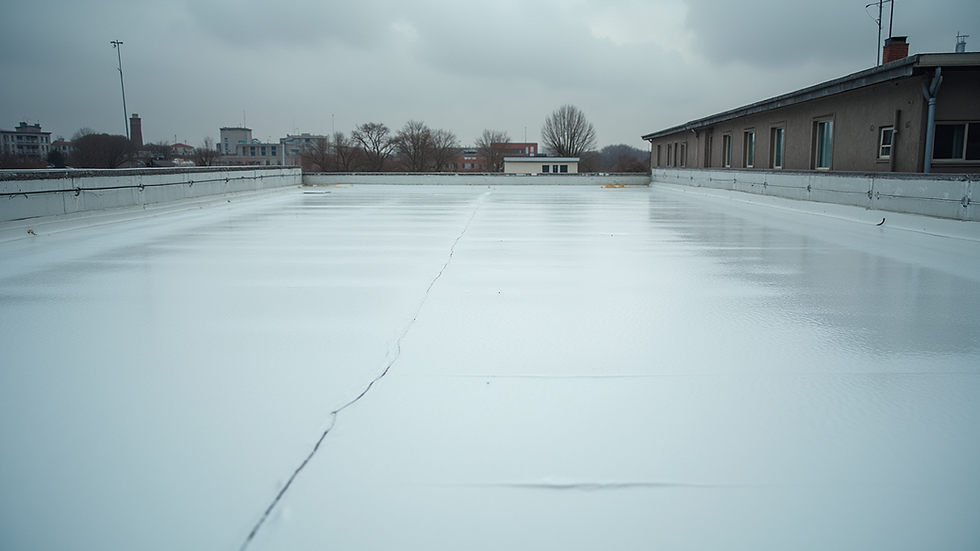
Materials and Techniques for Effective Waterproofing
Selecting the right materials and applying them correctly is crucial. Here are some common materials and techniques I recommend:
Bituminous Membranes
These are popular for their durability and ease of installation. They come in rolls and are applied using heat or adhesives. Bituminous membranes resist UV rays and temperature fluctuations well.
Liquid-Applied Membranes
These coatings are brushed or sprayed onto the roof surface. They form a seamless, flexible layer that adapts to roof movements. Liquid membranes are ideal for complex roof shapes and repairs.
EPDM Rubber Membranes
EPDM is a synthetic rubber membrane known for its elasticity and resistance to weathering. It is installed in large sheets and sealed at seams with adhesives or tapes.
Polyurethane Coatings
These coatings provide excellent waterproofing and UV resistance. They cure quickly and form a tough, elastic surface.
Cementitious Waterproofing
This technique uses cement-based products mixed with waterproofing agents. It is often used for concrete flat roofs and provides a rigid, durable barrier.
Proper application techniques include:
Applying primer before membranes or coatings.
Ensuring temperature and humidity conditions are suitable during application.
Using reinforcement fabrics in liquid-applied systems for added strength.
These materials and methods help meet the high standards required for construction projects in Bahrain’s climate.
How often should a flat roof be recoated?
Regular maintenance is key to prolonging the life of a flat roof. Recoating frequency depends on the material used and environmental exposure. Generally:
Liquid-applied membranes require recoating every 5 to 10 years.
Bituminous membranes may need inspection and minor repairs every 3 to 5 years.
EPDM membranes can last 20 years or more but should be inspected annually.
Polyurethane coatings typically need recoating every 7 to 10 years.
I recommend scheduling inspections at least once a year, especially after heavy rains or storms. Look for signs such as cracks, blisters, or pooling water. Early detection allows for timely repairs and prevents costly damage.
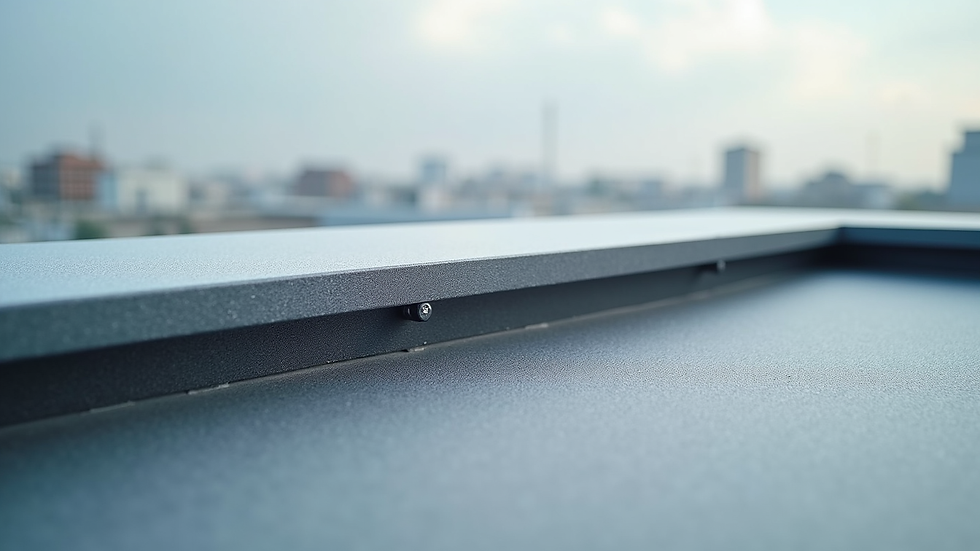
Common Mistakes to Avoid in Flat Roof Waterproofing
Avoiding common pitfalls can save time and money. Here are mistakes I see often and how to prevent them:
Skipping surface preparation: Failing to clean and dry the roof leads to poor adhesion and early membrane failure.
Ignoring roof slope and drainage: Flat roofs must have a slight slope or adequate drainage to prevent water accumulation.
Using incompatible materials: Mixing different waterproofing systems without proper compatibility checks can cause delamination.
Applying too thin a layer: Insufficient coating thickness reduces waterproofing effectiveness.
Neglecting flashing and joints: These areas require extra attention to prevent leaks.
By addressing these issues, you ensure a durable, watertight roof that meets quality standards.
Maintenance Practices to Extend Roof Life
Maintenance is not just about recoating. It involves a comprehensive approach:
Regular cleaning: Remove debris, leaves, and dirt that can clog drains or damage membranes.
Inspect seals and joints: Check for cracks or gaps and reseal as needed.
Monitor drainage systems: Ensure gutters and downspouts are clear and functioning.
Repair minor damage promptly: Small cracks or blisters can be fixed before they worsen.
Document inspections and repairs: Keep records to track roof condition and maintenance history.
Implementing these practices helps construction companies in Bahrain deliver long-lasting, cost-effective roofing solutions.
Enhancing Project Quality with Professional Waterproofing
Investing in professional flat roof waterproofing techniques improves project outcomes. It reduces the risk of water damage, lowers maintenance costs, and enhances client satisfaction. I encourage using certified materials and trained installers to meet the highest quality standards.
For those seeking reliable solutions, I recommend exploring flat roof waterproofing options tailored to local conditions. This approach supports GoldenCare Group’s mission to be the top choice for insulation and waterproofing in Bahrain.
By following these tips and techniques, you can protect properties effectively and exceed expectations in every project.
This guide provides a clear, actionable roadmap for flat roof waterproofing. Applying these insights will help you deliver superior construction results that stand the test of time.


Comments