Flat Roof Waterproofing Tips: Essential Tips and Techniques
Flat roofs require special attention to prevent water damage. I understand the challenges faced by construction companies in Bahrain when it comes to protecting flat roofs from harsh weather and water infiltration. This post shares practical advice and proven techniques to help you achieve durable, effective waterproofing.
Key Flat Roof Waterproofing Tips for Long-Lasting Protection
Proper waterproofing starts with preparation and the right materials. Here are essential tips to ensure your flat roof stays dry and secure:
Inspect the Roof Surface Thoroughly
Before applying any waterproofing, check for cracks, blisters, or ponding water. Repair any damage to create a smooth, clean surface.
Choose the Right Waterproofing System
Options include liquid-applied membranes, bituminous coatings, and synthetic sheets. Select a system compatible with your roof type and climate conditions.
Apply Primer for Better Adhesion
Use a primer suited to the waterproofing material. This step improves bonding and extends the lifespan of the waterproof layer.
Ensure Proper Drainage
Flat roofs must have slight slopes or drainage points to prevent water accumulation. Incorporate scuppers, gutters, or internal drains as needed.
Seal All Joints and Penetrations
Pay special attention to areas around vents, skylights, and parapets. Use flexible sealants or flashing to prevent leaks.
Follow Manufacturer Instructions Closely
Adhere to recommended drying times, application thickness, and layering techniques for optimal results.
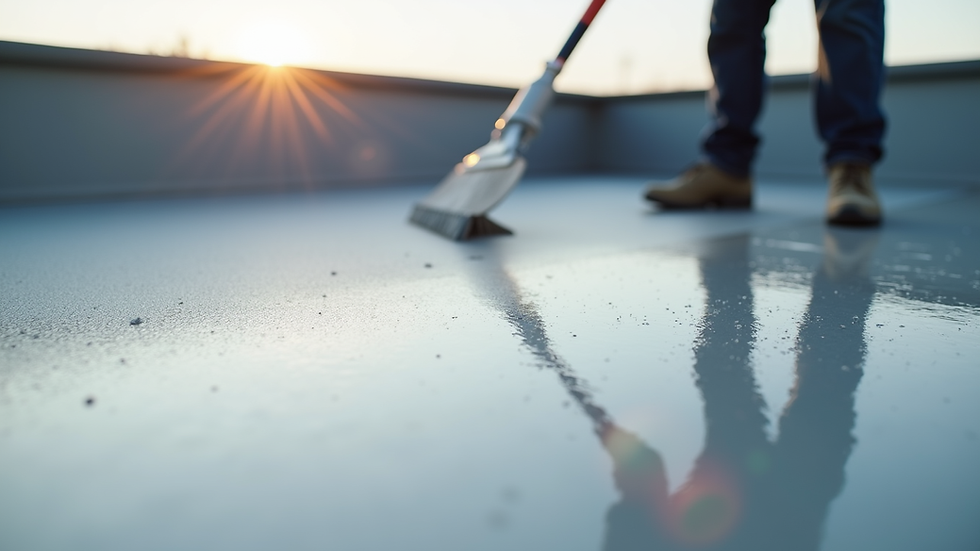
How Often Should a Flat Roof Be Recoated?
Maintenance is key to extending the life of your flat roof. Recoating frequency depends on the waterproofing system used and environmental factors. Generally:
Liquid-applied membranes require recoating every 5 to 10 years.
Bituminous coatings may need recoating every 3 to 7 years.
Synthetic sheet membranes often last 15 to 20 years but should be inspected regularly.
Regular inspections help identify early signs of wear such as cracking, peeling, or blistering. Addressing these issues promptly with recoating or repairs prevents costly damage.
Step-by-Step Flat Roof Waterproofing Process
I recommend following a systematic approach to ensure thorough waterproofing:
Clean the Roof Surface
Remove dirt, debris, and old coatings. Use a pressure washer if necessary.
Repair Damages
Fill cracks and holes with appropriate fillers or patching materials.
Apply Primer
Spread an even coat of primer and allow it to dry completely.
Install Waterproofing Membrane or Coating
Apply the chosen waterproofing material according to specifications. For liquid membranes, use rollers or brushes; for sheets, ensure proper overlap and sealing.
Seal Edges and Penetrations
Use flashing and sealants to secure vulnerable areas.
Inspect and Test
After curing, check for any weak spots or leaks by conducting a water test.

Common Mistakes to Avoid in Flat Roof Waterproofing
Avoid these pitfalls to ensure your waterproofing efforts are successful:
Skipping Surface Preparation
Applying waterproofing over dirt or moisture reduces adhesion and causes premature failure.
Ignoring Drainage Design
Without proper drainage, water pools and accelerates membrane deterioration.
Using Incompatible Materials
Mixing different waterproofing systems without compatibility can lead to delamination.
Applying Too Thin or Too Thick Coats
Follow manufacturer guidelines to avoid cracking or slow drying.
Neglecting Regular Maintenance
Flat roofs require periodic inspections and upkeep to maintain integrity.
Enhancing Flat Roof Durability with Additional Techniques
To further protect flat roofs, consider these enhancements:
Insulation Layers
Adding insulation beneath the waterproof membrane improves energy efficiency and reduces thermal stress.
Protective Coatings
UV-resistant topcoats shield membranes from sun damage and extend lifespan.
Green Roof Systems
Incorporating vegetation can protect the membrane and manage stormwater, but requires careful waterproofing design.
Regular Cleaning and Debris Removal
Prevent clogging of drains and reduce wear caused by accumulated dirt.
By integrating these techniques, you can deliver superior roofing solutions that meet high-quality standards and client expectations.
Flat roof waterproofing is a critical aspect of construction that demands attention to detail and adherence to best practices. By following these tips and techniques, you can ensure durable, cost-effective protection for flat roofs in Bahrain’s challenging climate. For more detailed guidance, visit flat roof waterproofing to explore professional solutions tailored to your needs.


Comments