PU Roof Insulation Benefits: Why PU Foam is the Smart Choice for Your Roof

When it comes to protecting buildings from harsh weather and reducing energy costs, roof insulation plays a crucial role. I have seen many construction projects where the choice of insulation material makes a significant difference in performance and durability. Polyurethane (PU) foam roof insulation stands out as a top solution. It offers a range of benefits that make it ideal for construction companies in Bahrain aiming to deliver high-quality, cost-effective, and reliable roofing solutions.
PU foam insulation is a versatile material that expands on application, sealing gaps and creating a continuous barrier. This feature alone sets it apart from traditional insulation materials. In this post, I will explain the key advantages of PU foam roof insulation, the types of foam used by roofers, and practical tips for installation and maintenance.
PU Roof Insulation Benefits
PU foam roof insulation offers several advantages that directly impact the quality and efficiency of roofing systems. Here are the main benefits I have observed:
Superior Thermal Performance: PU foam has a very low thermal conductivity, which means it effectively reduces heat transfer. This keeps buildings cooler in the hot Bahrain climate and reduces the need for air conditioning, leading to significant energy savings.
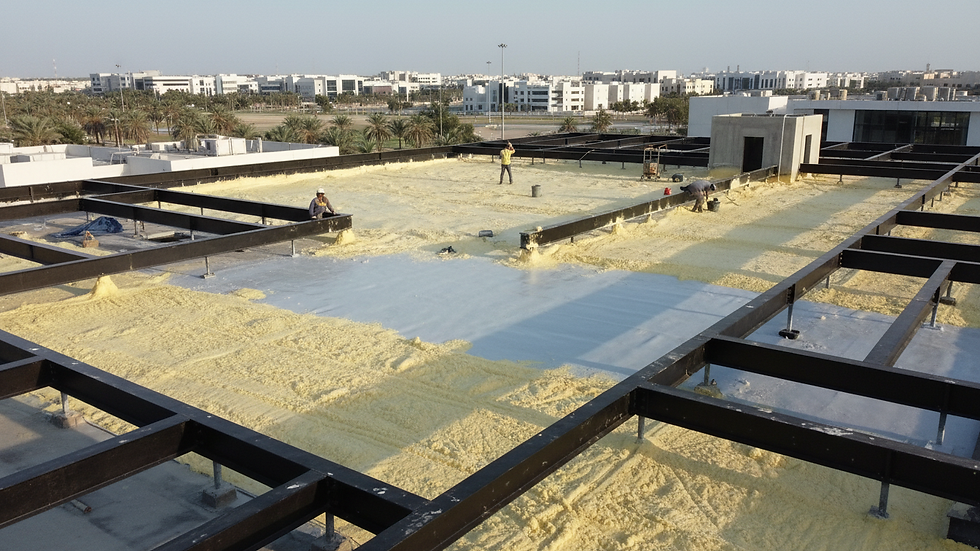
Seamless Application: Unlike rigid boards or batts, PU foam is sprayed directly onto the roof surface. It expands to fill cracks, crevices, and irregular shapes, creating a continuous insulation layer without gaps or joints.
Waterproofing Properties: PU foam acts as a water-resistant barrier. It prevents water ingress, reducing the risk of leaks and water damage. This dual function of insulation and waterproofing is a major advantage.
Lightweight and Durable: PU foam adds minimal weight to the roof structure, which is important for maintaining structural integrity. It also resists degradation from UV rays and weather exposure, ensuring long-lasting performance.
Quick Installation: The spray application method allows for fast installation, reducing labour time and costs. This is especially beneficial for large commercial projects or tight construction schedules.
These benefits align perfectly with the goals of construction companies in Bahrain who want to provide clients with roofing solutions that protect properties, save costs, and meet high-quality standards.

How PU Foam Roof Insulation Saves Costs
Cost efficiency is a critical factor in construction projects. PU foam roof insulation helps save money in several ways:
Lower Energy Bills: By improving thermal insulation, PU foam reduces the demand for heating and cooling systems. This translates into lower electricity consumption and reduced utility bills.
Reduced Maintenance Costs: The waterproofing nature of PU foam minimizes roof leaks and water damage. This decreases the frequency and cost of repairs over the roof’s lifespan.
Extended Roof Life: PU foam protects the roof structure from weathering and UV damage, extending its service life and delaying the need for costly replacements.
Faster Installation: The quick application process reduces labour costs and project timelines, allowing companies to complete jobs efficiently and take on more projects.
By investing in quality insulation like PU foam, construction companies can offer clients long-term savings and reliable protection, enhancing their reputation and customer satisfaction.
What Type of Foam Do Roofers Use?
Roofers typically use two main types of PU foam for insulation:
Closed-cell PU foam: This is the most common type used for roof insulation. It has a dense structure with tiny closed cells filled with gas, providing excellent thermal resistance and waterproofing. Closed-cell foam is rigid and adds structural strength to the roof.
Open-cell PU foam: Less common for roofs, open-cell foam has a softer, spongy texture with open cells that allow air to pass through. It offers good insulation but is less water-resistant and less dense than closed-cell foam.
For roofing applications, closed-cell PU foam is the preferred choice due to its superior insulation properties and durability. It creates a strong, seamless barrier that protects against heat, moisture, and air infiltration.
Installation Best Practices for PU Foam Roof Insulation
Proper installation is key to maximizing the benefits of PU foam insulation. Here are some practical recommendations I follow or advise:
Surface Preparation: Ensure the roof surface is clean, dry, and free of debris before application. This helps the foam adhere properly and prevents defects.
Professional Application: Use trained and certified installers who understand the correct spray techniques and safety protocols. This ensures even coverage and optimal foam density.
Layer Thickness: Apply the foam in layers to achieve the desired thickness and insulation value. Avoid applying too thick a layer at once to prevent curing issues.
Protective Coating: After the foam cures, apply a protective coating or membrane to shield it from UV exposure and mechanical damage.
Regular Inspections: Schedule periodic inspections to check for any damage or wear. Prompt repairs maintain the insulation’s effectiveness and extend roof life.
Following these steps guarantees that the insulation performs as intended and delivers long-term value.
Why PU Foam Insulation is Ideal for Bahrain’s Climate
Bahrain’s climate is characterised by high temperatures, intense sunlight, and occasional heavy rains. PU foam insulation addresses these challenges effectively:
Heat Resistance: The foam’s low thermal conductivity keeps indoor spaces cooler, reducing reliance on air conditioning during hot months.
Water Resistance: PU foam’s waterproof nature prevents water penetration during rainstorms, protecting the roof structure and interior.
UV Stability: When coated properly, PU foam resists UV degradation, maintaining its insulating properties despite constant sun exposure.
Energy Efficiency: By reducing heat gain, PU foam helps lower energy consumption, which is critical in a region with high cooling demands.
These features make PU foam insulation a smart investment for construction companies aiming to deliver durable, energy-efficient roofs that withstand Bahrain’s environmental conditions.
Enhancing Building Performance with PU Foam Roof Insulation
Beyond insulation and waterproofing, PU foam contributes to overall building performance:
Air Sealing: The expanding foam seals air leaks, improving indoor air quality and comfort by reducing drafts and dust infiltration.
Sound Insulation: PU foam dampens external noise, creating quieter indoor environments.
Structural Support: Closed-cell foam adds rigidity to the roof deck, enhancing structural stability.
Sustainability: Improved energy efficiency reduces carbon footprint, supporting green building initiatives.
By choosing PU foam insulation, construction companies can offer comprehensive solutions that improve building durability, comfort, and sustainability.
PU foam roof insulation is a proven, effective solution that meets the demands of modern construction in Bahrain. Its combination of thermal efficiency, waterproofing, durability, and cost savings makes it the preferred choice for roofing projects. For those looking to enhance their roofing systems, I recommend exploring pu foam insulation for roofs as a reliable and high-performance option.
Investing in PU foam insulation aligns with the goal of delivering superior construction solutions that protect properties, reduce costs, and exceed client expectations. It is a smart step toward building roofs that stand the test of time and climate.


Comments